

The Timeless Language of Art
Daniel Clark•09/21/2025•2 min read•Updated 10 months ago
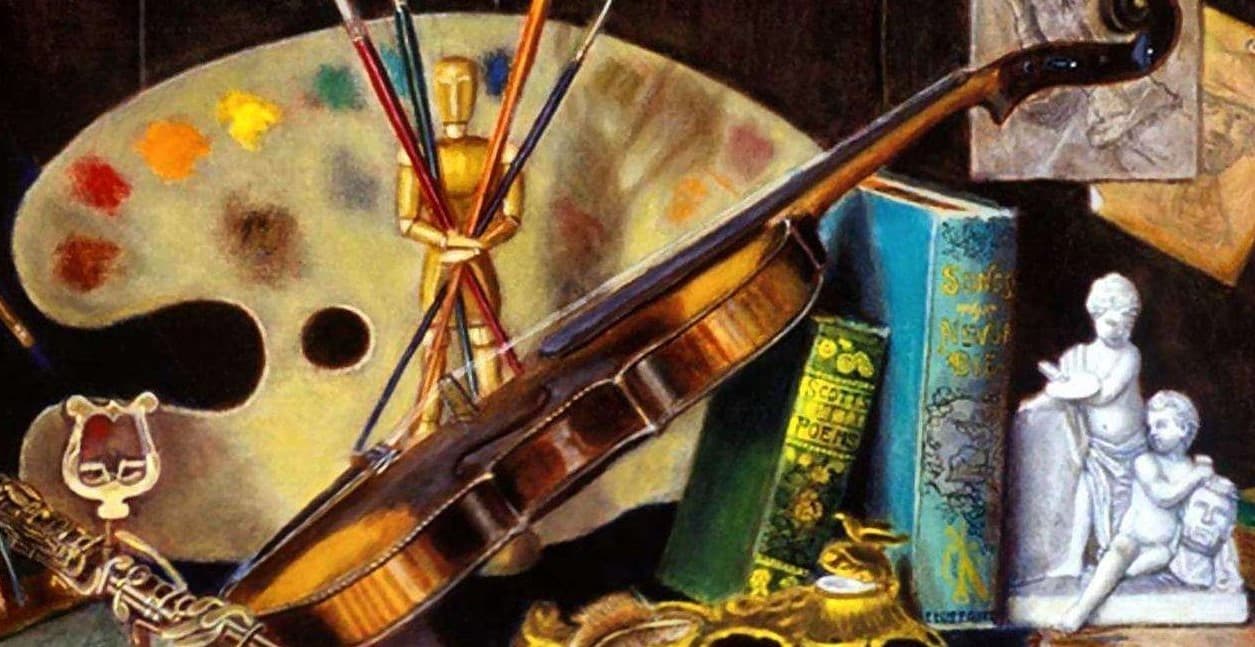
Art has always been a mirror of human experience. From the first cave paintings to contemporary digital installations, it reflects our emotions, beliefs, and imagination. While styles and mediums have changed over centuries, the essence of art remains the same: it speaks when words are not enough.
A Bridge Across Time and Culture
One of art’s most powerful qualities is its universality. A sculpture from ancient Greece or a mural from modern Mexico can move people thousands of miles away, across centuries. Art allows cultures to share their identity, and it creates a dialogue between the past and the present.
The Power of Expression
For artists, creation is a form of self-expression. Through colors, shapes, and sounds, they communicate stories that might otherwise remain unspoken. For viewers, art is equally transformative—it sparks emotions, raises questions, and invites reflection.
Art in the Modern World
Today, art exists not only in galleries and museums but also in streets, digital platforms, and virtual spaces. Street art challenges social norms, while digital art and NFTs push the boundaries of ownership and creativity. This evolution shows that art is alive, adapting to new tools and new audiences.
Why Art Matters
Beyond beauty, art has the power to inspire change. It can protest injustice, celebrate diversity, or simply remind us of our shared humanity. In a fast-paced world, art slows us down, inviting us to look closer, feel deeper, and think differently.
Final Thoughts
Art is more than decoration—it is a timeless language that connects us all. Whether painted on a wall, performed on a stage, or projected on a screen, it remains one of humanity’s greatest treasures and most powerful forms of communication.
Frequently Asked Questions
When was this published?
Publication and update dates are shown at the top of the article.
Who wrote this article?
This article was created by our expert contributors.
Can I leave comments?
Reader engagement options may be available on this page.
Where can I find more articles?
Discover more content on kb.pub.
Can I share this article?
Yes, use the share buttons to share on social media.
How can I stay updated?
Subscribe to our newsletter for the latest articles.
Is this information accurate?
We strive for accuracy and update content regularly.
Have more questions? Visit kb.pub for additional information.
Related content
Solutions
More →Use sulfate-free shampoos and conditioners that are designed to moisturize and nourish your hair. In
Use sulfate-free shampoos and conditioners that are designed to moisturize and nourish your hair. Incorporate leave-in conditioners or hair oils.
Wear a hat in strong sun or cold weather. Rinse hair with fresh water after swimming in chlorinated
Wear a hat in strong sun or cold weather. Rinse hair with fresh water after swimming in chlorinated pools.
Avoid tight ponytails, braids, or buns that pull on the hair. Opt for looser styles and use soft hai
Avoid tight ponytails, braids, or buns that pull on the hair. Opt for looser styles and use soft hair ties.